If you live around Barnesville, you already know how unpredictable the weather can be. One week it is hot and sunny, the next week we get heavy rain or a strong storm rolling through.
All of that slowly wears down your roofing material over time. That is why roofs need a little attention every now and then. Below, we’ll discuss the various ways how.
Key Takeaways:
|
How to Extend the Life of Your Roof
1. Have Your Roof Inspected Once a Year
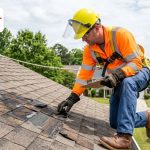
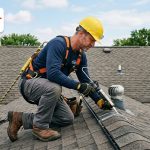
One of the best things you can do is simply have your roof inspected every year.
Small roofing problems are easy to miss. A cracked shingle or loose flashing might not be visible from the ground.
But over time, that small issue can turn into a leak.
A professional inspection helps catch problems early before they grow into expensive repairs.
It is also a good idea to have your roof inspected after a big storm.
Even if everything looks fine from the ground, storms can loosen shingles or damage flashing.
2. Keep Your Gutters Clean
This is one of the simplest ways to protect your roof, but it is something many homeowners forget.
When gutters fill up with leaves, rainwater has nowhere to go.
Instead of draining away from the house, the water may start backing up under the shingles.
That can cause:
- Roof leaks
- Rotting wood near the roof edge
- Mold problems
- Damage to your fascia boards
Cleaning your gutters a few times a year helps prevent these problems.
Around Barnesville, fall leaves can clog gutters pretty quickly, so it helps to keep an eye on them.
3. Clear Off Roof Debris
After a windy day or a storm, you might notice branches or leaves sitting on the roof.
It may not seem like a big deal, but debris traps moisture.
When moisture sits on your roofing material for too long, it can slowly break things down.
Over time, that may lead to:
- Mold or algae growth
- Shingle damage
- Soft spots on the roof
Keeping your roof clear helps it dry properly after rain.
4. Trim Tree Branches Near the Roof
Trees are great for shade during those hot Georgia summers.
But branches hanging over the roof can cause trouble.
When the wind picks up, those branches can rub against shingles or even break and fall onto the roof.
That can damage your roofing material and shorten its lifespan.
Trimming branches back a bit helps prevent:
- Scratched or broken shingles
- Leaves constantly piling up on the roof
- Storm damage
It is a small step that can make a big difference.
5. Fix Small Problems Right Away
One of the biggest mistakes homeowners make is ignoring small roof issues.
Maybe a shingle blew off during a storm.
Maybe you notice a small crack near the flashing.
It may not seem urgent, but water has a way of finding those little openings.
Once moisture gets under the roofing material, the damage spreads.
You might start seeing:
- Water stains on ceilings
- Damp attic insulation
- Mold growth
Fixing small problems early often prevents the need for replacing or repairing a roof later.
6. Watch for Signs Your Roof Is Aging
Roofs do not last forever.
Even the best roofing material eventually starts showing signs of wear.
Some common warning signs include:
- Shingles curling or cracking
- Granules showing up in gutters
- Dark streaks on shingles
- Uneven spots on the roof
If you start noticing these signs, it may be time to have your roof inspected.
A professional can tell you whether the roof still has life left or if repairs are needed.
7. Make Sure Your Attic Has Good Ventilation
This is something many homeowners do not think about, but attic ventilation matters a lot.
When hot air and moisture get trapped in your attic, they can damage the roof from underneath.
Poor ventilation can cause:
- Warped roof decking
- Mold growth
- Faster wear on shingles
- Higher cooling bills
Good airflow in the attic helps protect the roof structure and keeps temperatures more balanced.
8. Check Your Roof After Storms
Storms are pretty common around Barnesville.
High winds, heavy rain, and falling branches can all damage roofing material.
After a big storm passes, take a quick look around your home.
Watch for signs like:
- Missing shingles
- Debris on the roof
- Loose gutters
- Water spots on ceilings
Even if everything looks fine, having your roof inspected after severe weather is a smart move.
Some storm damage is not easy to see at first.
9. Understand the Type of Roofing Material You Have
Not all roofs last the same amount of time.
The lifespan really depends on the roofing material installed on your home.
For example:
- Asphalt shingles often last around 20 to 30 years
- Metal roofs can last 40 years or more
- Tile roofs can last even longer with proper care
The main thing is knowing what type of roof you actually have. Once you know the material, it becomes much easier to understand how to take care of it.
A roofing professional can also give you a better idea of how much life your roof has left.
Need Help on Extending Your Roof’s Lifespan? Contact J&J Remodeling Today!
If you need help on how to extend the life of your roof, get in touch with us today. Whether you need a simple inspection or help replacing or repairing a roof, our team is ready to help. We are local, trained, and experienced. Just call today to get started!