Heavy rain can cause roof leaks when water finds its way through damaged shingles, loose flashing, clogged gutters, or worn seals. With Valdosta’s heavy downpours and strong winds, even a small weak spot can quickly become an indoor drip. Here’s why these leaks happen and what you can do to protect your home.
Key Takeaways:
|
Why Can Heavy Rain Cause Roof Leaks in Valdosta, GA?
1. Damaged or Missing Shingles
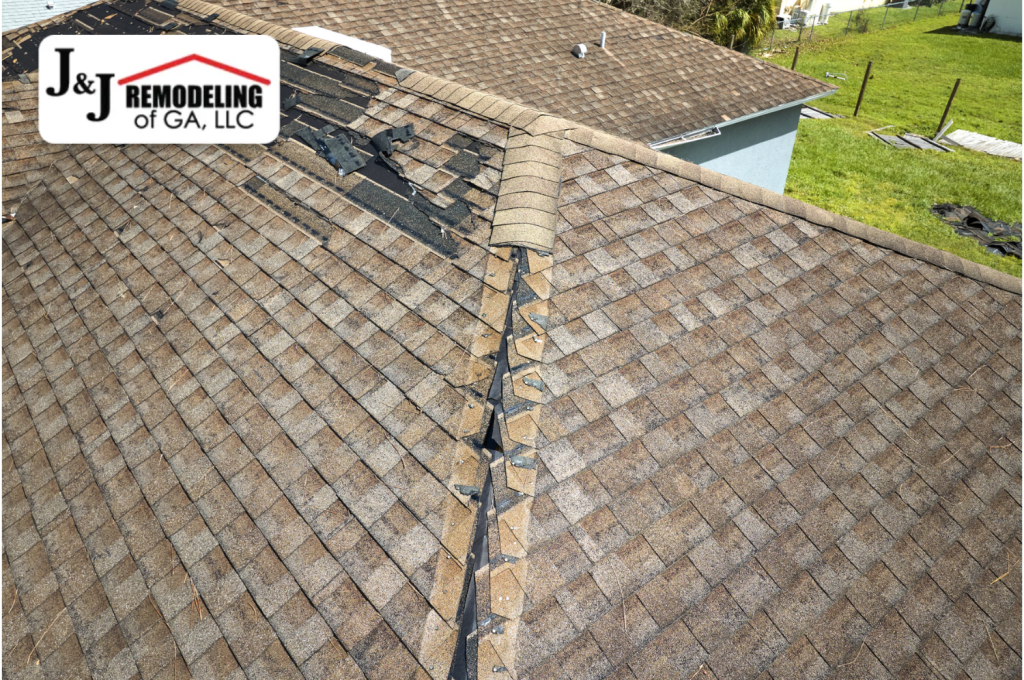
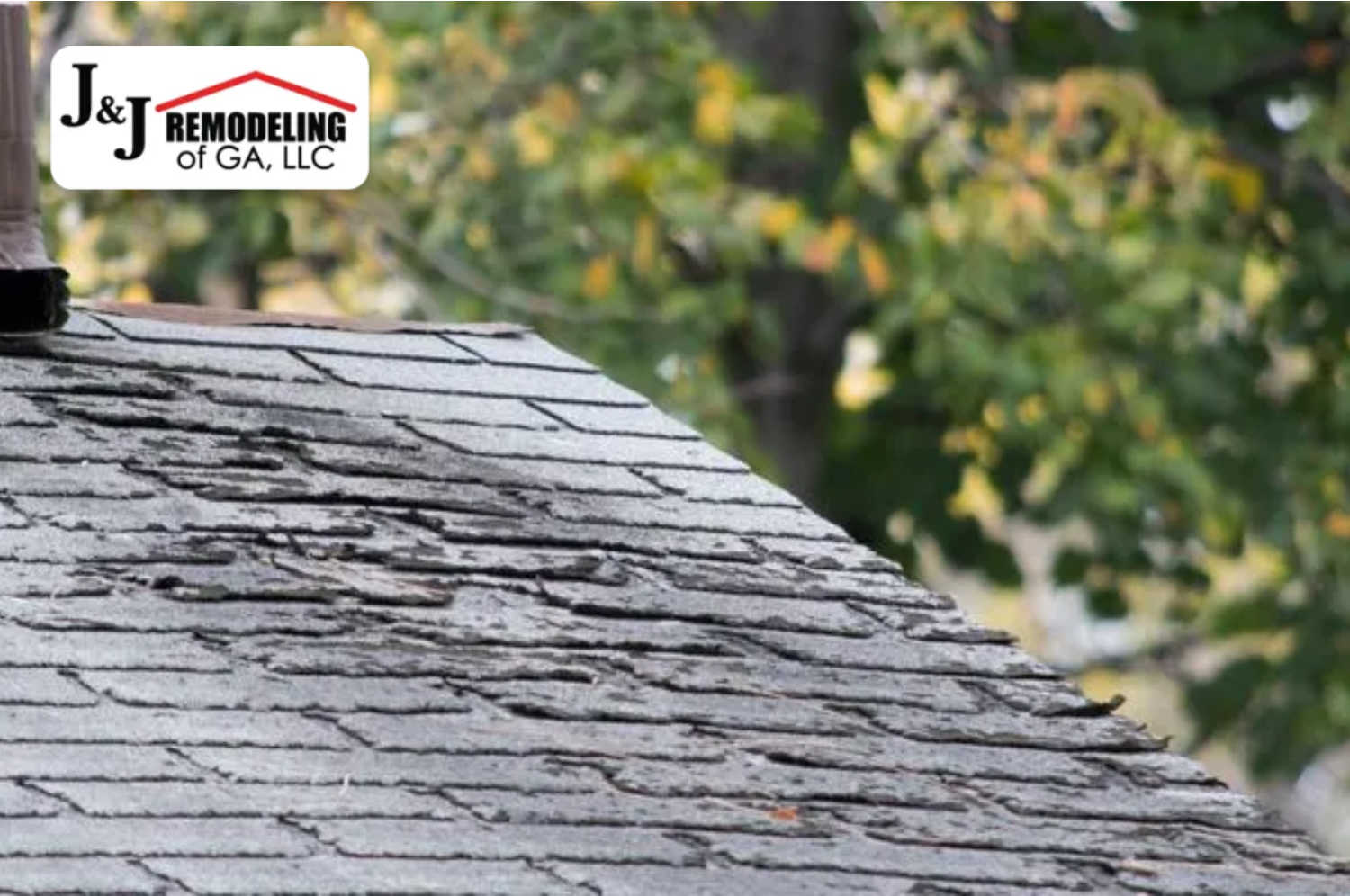
Cracked, lifted, or missing shingles leave the layers underneath less protected. Wind-driven rain can slip through these openings and reach the underlayment or wooden roof deck.
Once water gets inside, it may travel along the roof before dripping into your attic or ceiling. Even one damaged shingle can cause a noticeable leak during a long downpour.
2. Loose Roof Flashing
Flashing protects the seams around vents, chimneys, skylights, and walls. If it becomes loose, bent, rusty, or poorly sealed, rain can work its way behind it.
The leak may not appear directly below the damaged flashing. Water often runs along the roof deck or rafters before leaving a stain somewhere else in your home.
3. Clogged Gutters and Roof Valleys
Leaves, pine needles, and storm debris can block gutters and roof valleys. When water cannot drain properly, it may overflow, collect near the roof edge, or back up beneath nearby shingles.
If your gutters pour water over the sides during heavy rain, do not ignore it. That overflow can damage the fascia, soffit, roof decking, and even the walls below.
4. Cracked Pipe Boots and Worn Seals
Pipe boots seal the area around plumbing vents that pass through the roof. Valdosta’s heat and sunlight can dry out the rubber, causing small cracks that let rain enter.
These leaks may leave stains near a bathroom, hallway, or closet. The mark might disappear when the weather clears, but it often returns during the next heavy storm.
5. Low-Slope Areas and Roof Transitions
Porch roofs, additions, and other low-slope areas drain more slowly than steep roof sections. During a long downpour, water may collect around worn seams or weak connections.
The place where an addition meets the main roof can also become a trouble spot, especially on an older home. If the materials or drainage were not installed correctly, repeated heavy rain can eventually lead to a leak.
What Should You Do When Your Roof Leaks During Heavy Rain?
A dripping ceiling can make anyone nervous. Take a breath and focus first on safety. You can limit the damage without climbing onto the roof or putting yourself in danger.
Step 1: Protect People and Belongings
Move furniture, electronics, rugs, and valuables away from the leak. Put a bucket or another waterproof container under the drip if the area is safe to enter.
If the ceiling looks swollen, cracked, or saggy, leave the room and keep others away. Wet drywall gets heavy and can fall with little warning.
Step 2: Contain the Water Safely
Use towels to soak up puddles and plastic coverings to protect items you cannot move. Check buckets often during a long storm so they do not overflow.
Stay away from wet outlets, wires, and ceiling lights. If water is close to anything electrical, keep out of the area and turn off the power only when you can do so safely.
Step 3: Document the Damage
Take clear photos or short videos of the drip, stains, wet flooring, and damaged belongings. Write down when the leak started and whether the storm brought strong wind or hail.
These details can help a roofer trace the problem. They may also be useful if you contact your homeowners insurance company about possible storm damage.
Step 4: Check for Damage From the Ground
After the weather clears, walk around your property and look up from a safe location. Check for missing shingles, roofing pieces in the yard, bent gutters, loose flashing, and fallen tree limbs.
Do not climb onto the roof yourself, especially while it is wet. A damaged roof can be slippery, and weak spots are not always easy to see.
Step 5: Schedule a Professional Roof Inspection
Arrange a roof inspection in Valdosta as soon as possible, even if the dripping stops. A roofer may need to examine the shingles, flashing, pipe boots, valleys, gutters, attic, insulation, and roof decking.
Water can travel before it becomes visible indoors, so finding the source often takes careful inspection. Fast roof leak repair in Georgia can help prevent rotten wood, ruined insulation, mold, and a larger repair bill.
Can one night of heavy rain make my roof leak?
Yes, one hard storm can expose a loose shingle, cracked pipe boot, or damaged piece of flashing. However, a properly installed roof in good condition should normally keep the rain outside.
Why does my ceiling leak only during heavy rain?
A small opening may not admit enough water during a light shower for you to notice it. Heavy or wind-driven rain places more water against that weak spot, making the leak visible inside.
Can clogged gutters cause a roof leak?
Yes, clogged gutters can make water overflow or back up near the roof edge. That trapped moisture may eventually damage the fascia, soffit, decking, or interior walls.
Is the roof leak directly above the ceiling stain?
Not always. Water can follow roof decking, rafters, pipes, or wires before dripping, which is why patching the area directly above the stain may not fix the problem.
How soon should I repair a leaking roof?
Have the leak inspected as soon as the storm passes and conditions are safe. Waiting for the next heavy rain can lead to more damage and higher repair costs.
Get Help With a Roof Leak in Valdosta GA. Call J&J Today!
You should not have to wait for another downpour to learn how serious a roof problem is. Even a small ceiling stain deserves attention because water may already be affecting insulation or wood above it.
J&J Remodeling can inspect your roof, find the likely source of the leak, and explain your options in plain language.
If you need a trusted roofing company in Valdosta GA, contact J&J Remodeling today to schedule an inspection and protect your home before the next storm.