After a long, humid Georgia summer, you may notice a musty smell, small dark spots, or stains that keep coming back. These early warnings can point to trapped moisture or hidden mold, so here’s what to look for, where to check, and when it may be time to call for help.
Key Takeaways:
|
What Are the First Signs of Mold Growth After a Humid Georgia Summer?
When homeowners ask what are the first signs of mold growth after a humid Georgia summer, these are the warning signs we tell them not to ignore.
1. A Musty Smell
A damp, earthy smell is often the earliest warning sign. You may notice it when you open a closet, walk into the bathroom, enter the attic, or return home after being away. If the odor keeps coming back, mold may be hiding behind a wall, under flooring, or inside a cabinet.
2. Small Dark Spots
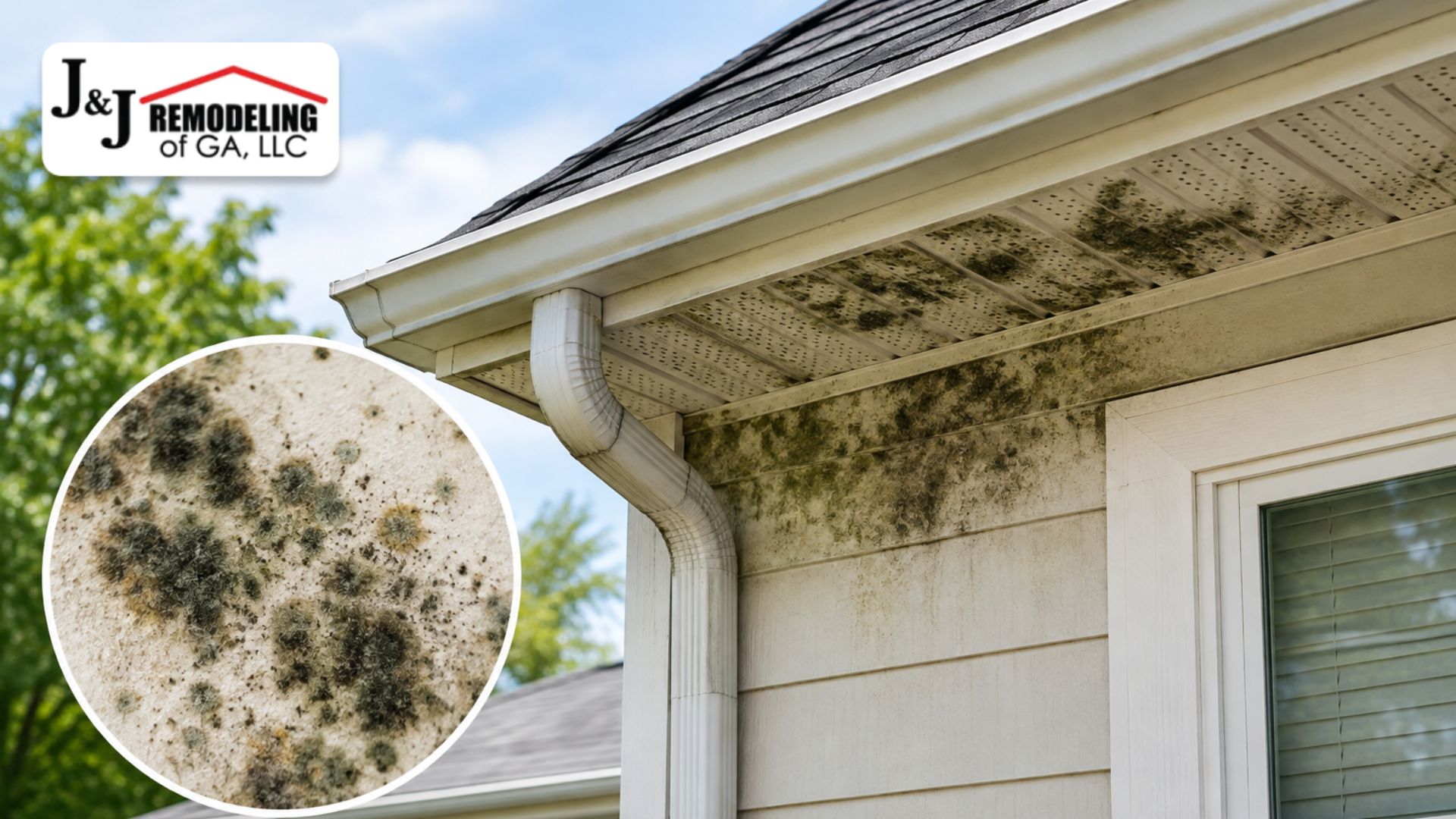
Early mold growth may look like tiny black, green, gray, brown, or white dots. Check bathroom ceilings, window frames, air vents, attic wood, and room corners. A spot that returns shortly after cleaning usually means the surface is still getting damp.
3. Ceiling or Wall Stains
Yellow, brown, or dark stains can point to trapped moisture. A stain on the ceiling may come from a roof leak, while marks around a window may be caused by rain or condensation. Remember that water can travel, so the stain may not sit directly below the leak.
4. Peeling Paint or Wallpaper
Paint can bubble, crack, or peel when moisture becomes trapped behind it. Wallpaper may also curl at the edges or feel loose. These changes may look like simple cosmetic problems, but they can be signs of damp drywall or a hidden leak.
5. Damp or Warped Materials
Baseboards may swell, drywall can feel soft, and flooring may start to buckle when it stays damp. Closet doors may also stick more than usual. Georgia humidity can make some materials expand, but ongoing dampness should never be ignored.
6. Indoor Irritation
Some people experience sneezing, coughing, itchy eyes, or stuffiness in rooms with moisture problems. These symptoms can have many causes, but pay attention if they get worse in one room or improve when you leave the house.
Why Does Mold Appear After a Humid Georgia Summer?
Valdosta summers are hot, rainy, and humid. That moisture can find its way into attics, bathrooms, closets, crawl spaces, and other areas with limited airflow.
Mold needs moisture, warmth, and something to grow on. Drywall paper, wood, insulation, dust, carpet, and ceiling tiles can all support it when they remain damp.
Common causes include:
- A slow roof or flashing leak
- Condensation around windows or air ducts
- Bathroom fans that do not vent outdoors
- Plumbing leaks behind walls or under sinks
- Clogged gutters that allow water to back up
- Poor attic ventilation
- An air-conditioning system that struggles to control humidity
A small leak may continue for weeks without leaving a puddle. By the time you see a ceiling stain, the insulation or roof decking above it may already be holding roof moisture.
What Should You Do When You Find a Possible Mold?
If you notice one of the signs above, start by finding the moisture source. Cleaning the visible spot will not solve the problem if a leak, condensation, or poor ventilation keeps the area damp.
A small surface spot may be manageable with the right cleaning method and protective gear. However, do not paint over mold or soak porous materials like drywall and insulation.
It is a good idea to call a professional when:
- The affected area keeps spreading
- Mold returns after cleaning
- Drywall, insulation, or wood feels wet
- You smell mold but cannot find it
- You suspect a roof or flashing leak
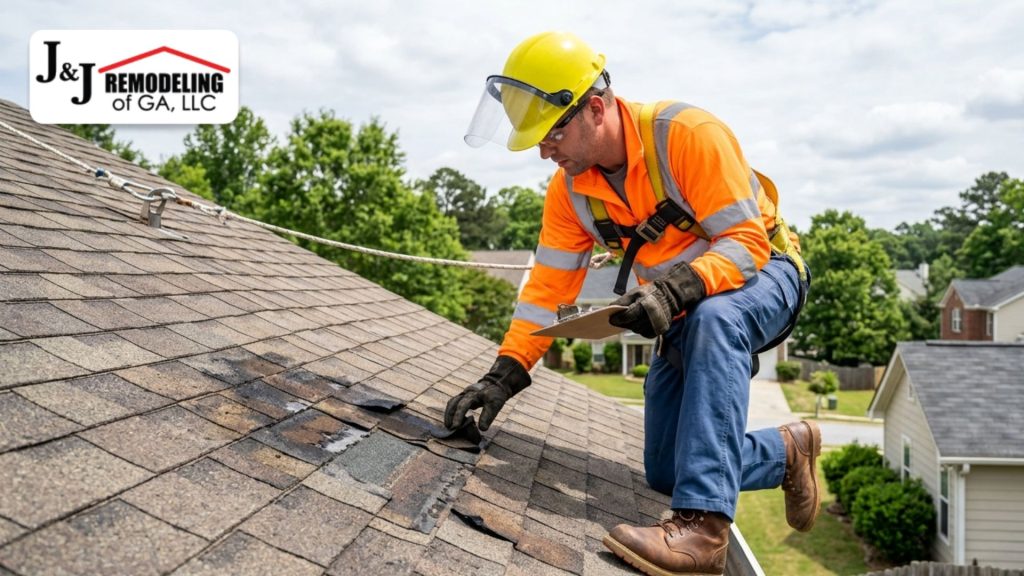
If the problem is near a ceiling, exterior wall, chimney, or attic, schedule a roof inspection. Finding and repairing the water entry point can prevent the problem from spreading.
How Can You Keep Mold From Coming Back?
Knowing what are the first signs of mold growth after a humid Georgia summer makes it easier to catch moisture early. A few simple habits can also help keep damp areas from turning into bigger problems.
- Check your attic after heavy rain or strong wind.
- Keep gutters and downspouts clear.
- Run bathroom and kitchen exhaust fans.
- Leave space between furniture and exterior walls.
- Repair roof and plumbing leaks quickly.
You can also use a basic humidity monitor in damp rooms. If one area regularly feels humid or smells musty, it may need better airflow or a closer inspection.
Frequently Asked Questions
How quickly can mold begin growing after a leak?
Mold can begin developing fairly quickly when drywall, wood, or insulation stays wet. Drying the area and fixing the leak as soon as possible can help limit the roof damage.
Does a musty smell always mean I have mold?
Not always, but it does suggest that moisture may be trapped somewhere nearby. If the smell lasts for several days or gets stronger after rain, have the area checked.
Can summer humidity cause mold in my attic?
Yes, humid air can collect in an attic with poor airflow or ventilation. A roof leak or damp insulation can make the problem even worse.
Can I paint over a mold stain?
No, paint will only hide the stain for a while. If you do not remove the mold and fix the moisture source, the spot will probably return.
When should I call a professional?
Call a professional when the affected area is spreading, keeps returning, or may be connected to a hidden leak. You should also get help if the drywall, wood, or insulation feels wet.
Protect Your Valdosta Home From Moisture and Mold. Call J&J Today!
If you are still wondering what are the first signs of mold growth after a humid Georgia summer, start with anything that smells musty, looks stained, or feels damp. These small changes may be your home’s way of warning you about a leak or moisture problem.
J&J Remodeling can inspect your roof and exterior for damaged shingles, worn flashing, leaks, and other places where water may be getting inside.
Get in touch with us today to schedule an inspection.